
float glass window
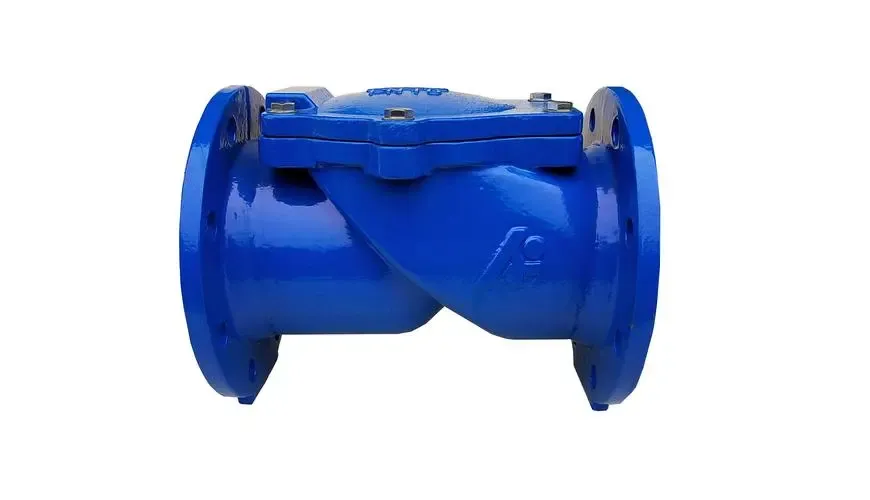
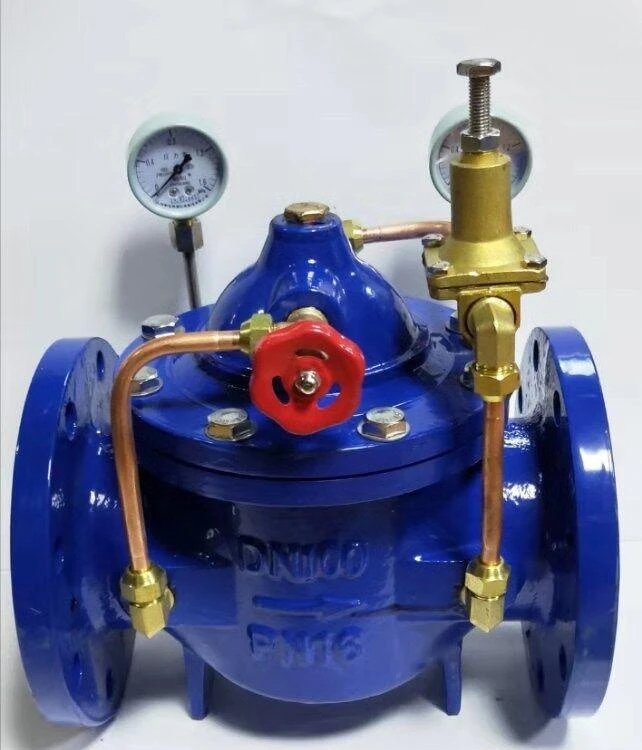
Understanding Slow Closing Check Valves Importance and Applications In various industrial and municipal applications, the management of fluid flow is paramount. One essential component often utilized for this purpose is the slow closing check valve, a mechanism designed to prevent backflow while reducing the potential for hydraulic shock. This article explores the significance and functionality of slow closing check valves, shedding light on their applications and advantages. What is a Slow Closing Check Valve? A slow closing check valve is a type of valve that allows fluid to flow in one direction while preventing reverse flow. Unlike standard check valves that can slam shut quickly, potentially causing water hammer—a sudden pressure surge—slow closing check valves are designed with a mechanism to control the closure speed. This gradual closure helps to minimize turbulence and reduce the stress on the piping system, ultimately enhancing system longevity. Functionality and Design The primary function of a slow closing check valve is to permit fluid flow only in one direction. When the flow is active, the valve remains open, allowing for fluid transmission. Once the flow stops or reverses, the valve closes slowly to prevent backflow. This controlled closure mechanism is often achieved through hydraulic dampening or the use of specialized spring systems that govern the valve's movement. The design of a slow closing check valve typically includes robust materials that withstand high pressures and corrosive conditions . Common materials used in construction include stainless steel, brass, and various thermoplastics, ensuring durability across various environments. Applications of Slow Closing Check Valves Slow closing check valves find applications in multiple sectors, including water treatment plants, HVAC systems, fire protection systems, and industrial processes. Their ability to mitigate water hammer makes them particularly beneficial in large piping systems where sudden pressure changes can lead to significant damage. 1. Water Treatment Facilities In water distribution systems, these valves help maintain consistent pressure levels and prevent contamination from reverse flow, ensuring safe drinking water. slow closing check valve 2. Fire Protection Systems In fire sprinkler systems, slow closing check valves prevent backflow that could compromise the system's integrity, ensuring reliable operation during emergencies. 3. HVAC Systems In heating and cooling applications, they help regulate flow and pressure, contributing to the efficiency of the system and preventing damage from hydraulic shock. 4. Industrial Applications In various manufacturing processes, these valves play a crucial role in maintaining the flow direction, allowing for the safe transport of fluids throughout the production line. Advantages of Slow Closing Check Valves Slow closing check valves offer several advantages over traditional check valves. Their main benefits include - Reduction of Water Hammer The controlled closure minimizes the risk of sudden pressure surges, protecting piping systems from damage and reducing maintenance costs. - Enhanced System Reliability By preventing backflow, these valves ensure that systems function smoothly and efficiently, reducing the likelihood of disruptions. - Longevity The high-quality materials and thoughtful design contribute to the valve's durability, providing a long service life and reducing the need for frequent replacements. In conclusion, slow closing check valves are crucial components in various fluid management systems. Their ability to prevent backflow while mitigating hydraulic shock makes them indispensable in industries ranging from municipal water systems to industrial manufacturing. Investing in high-quality slow closing check valves is essential for ensuring reliable and efficient operation, ultimately contributing to the safety and longevity of fluid systems.
about
float glass window
The Parallel Ruler A Tool of Precise Measurement In the realm of drafting and design, precision is paramount. Among the various tools utilized by architects, engineers, and artists, the parallel ruler stands out as a device that significantly enhances the accuracy of line drawing and measurement. Unlike traditional straightedges that can only be used in a limited way, the parallel ruler offers a unique and efficient method for maintaining parallel lines while ensuring consistent measurements. The parallel ruler, often made of wood or metal, features two rulers connected by a set of moveable arms. This design allows users to draw or measure multiple parallel lines with ease. Whether it’s for creating technical drawings, maps, or intricate designs, the ability to maintain consistent spacing between lines is crucial. Using a parallel ruler, drafters can quickly execute complex designs without the need for tedious calculations or repetitive measurements. One of the most notable advantages of the parallel ruler is its capability to facilitate scaling. By aligning the ruler with a specific point and adjusting the movable arms, users can effectively create scale drawings. This is particularly useful in architectural design, where scale is crucial for ensuring that buildings fit within specified dimensions . Furthermore, the ability to draw scaled parallel lines simplifies the process of translating real-world measurements into a manageable blueprint. parallel ruler In addition to its practical uses, the parallel ruler is also appreciated for its educational value. In classrooms and workshops, it serves as an excellent introduction to the principles of geometry and engineering. Students learn not only about parallel lines and angles but also develop fine motor skills and a keen eye for detail. The tactile experience of manipulating the tool provides hands-on learning that is beneficial for grasping fundamental concepts in design. Moreover, the resurgence of analog tools in a digital age underscores the parallel ruler's significance. While software programs and digital drafting tools dominate the landscape, many professionals still value the simplicity and reliability that the parallel ruler offers. It allows for a direct connection to the work being created, embracing a more traditional approach that fosters creativity. In conclusion, the parallel ruler is more than just a simple tool; it represents a fusion of art and science. Its ability to provide precise measurements and maintain parallel lines has made it an indispensable asset across various fields. Whether used in practice or education, the parallel ruler remains a testament to the enduring importance of precision in design.
-

High quality industrial productsagement

High quality industrial products
View Details -

Meet the diverse needs of customers

Meet the diverse needs of customers
View Details -

Strict quality control

Strict quality control
View Details -

Top raw materials

Top raw materials
View Details -

Trusted supplier

Trusted supplier
View Details
Our application
news and information
y type strainer valve
Understanding Y-Type Strainer Valves An Essential Component for Fluid Systems Y-type strainer valves
water valves
Understanding Water Valves Essential Components in Fluid Control Water valves are critical component
water line check valve
Understanding the Importance of Water Line Check Valves Water line check valves play a crucial role
 English